

§ DOES THIS RESONATE?
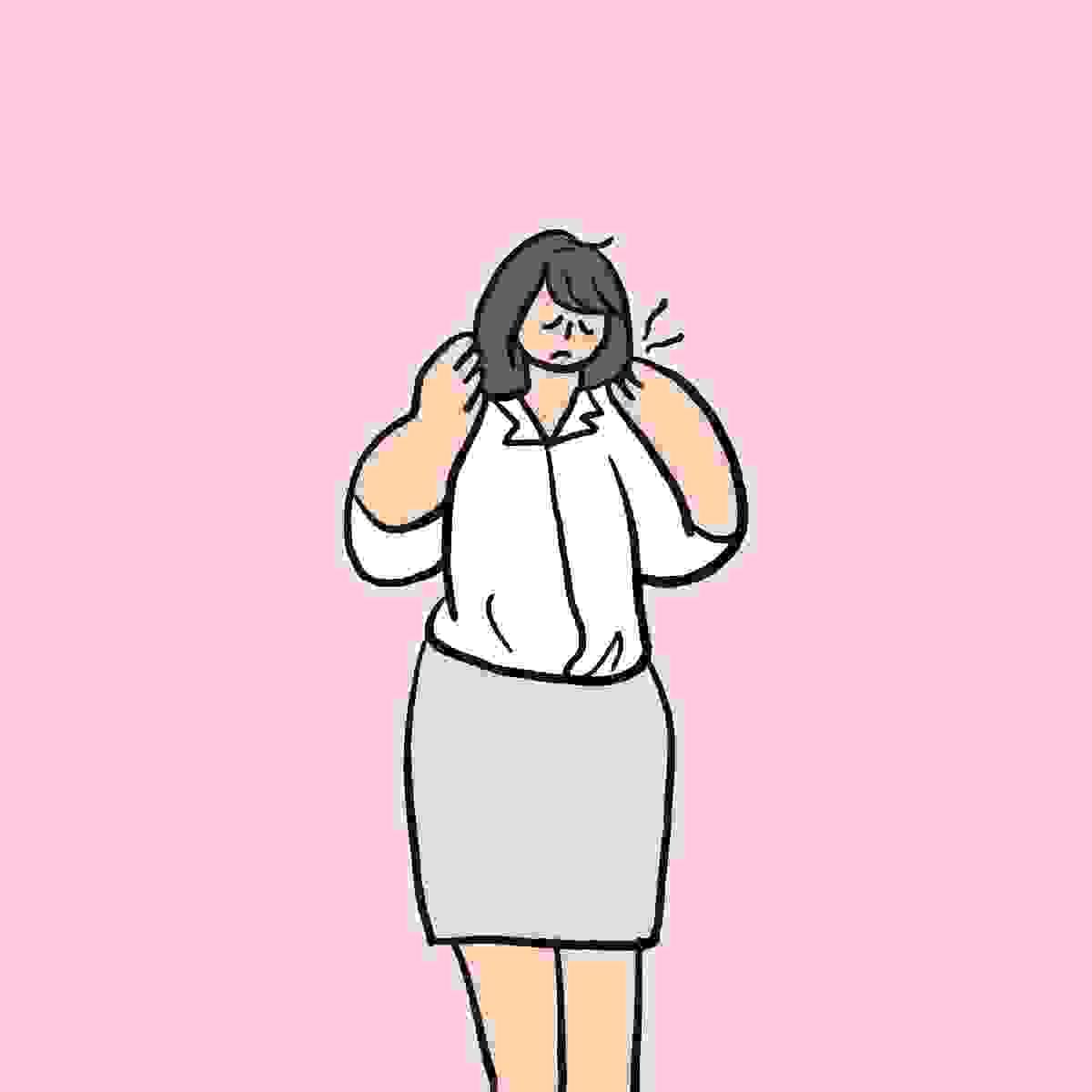
Why does pain keep coming back?
I’m guessing this isn’t the first time you’ve sought help for your pain. Most therapeutic care treats the symptom — the quick fix — but leaves the pattern behind. Most care is applied to your body by an expert, without you understanding what they’re doing or how it works.
Those therapies and treatments give you relief. But the specialists can’t follow you around in your day-to-day life, ready to make adjustments for you when you’re fatigued or stressed.
So pain returns.
Mujō takes the opposite approach.
First, I teach you how to be your own pain expert. Everything we do is guided by your awareness of how you feel and what you sense in your body. You’ll learn how to tune in to hear what your body has been telling you.
Second, you’ll develop skills and practices you can use whenever you notice signals of on-coming pain—so you can defuse it before it blows up.
That’s how you stop reliving the same pain story.
1-on-1 Therapeutic Yoga Series for Pain
8 sessions over 12 weeks
Start with the Shoulders and Hips Series
§ HOW MUJO IS DIFFERENT
Mujō means “impermanence.”
Everything I do with clients begins by embracing impermanence and adapting to change.
Pain is impermanent. It too can shift and change.
If you do nothing about your pain, entropy (chaos) takes over and disorder in your body spreads. Pain in one area leads to pain elsewhere as your body tries to solve how to move without triggering the original source.
Instead, you might acknowledge that pain can also change in the opposite direction: it can go away.
If you’ve gone to other pain and movement experts—physiotherapists, massage therapists, exercise physiologists, shiatsu therapists, acupuncturists, osteopaths, chiropractors, etc.—they’ve certainly helped give you pain relief for some period. That’s fantastic. That means your pain can go away.
What makes the therapeutic yoga approach different from those modalities is how we treat the client as the expert. You listen to your body, then we listen to you. Ours is a collaborative relationship with both sides holding half the solution. Eventually, you will have all of the solution to take away and use on your own.
What makes me different from other yoga therapists is that I don’t just give you postures to help strengthen and lengthen muscles; I also help you to repattern your nervous system so that your movement coordination and control improves first.
My method works best with people who want to be more active but aren’t because of persistent pain.
Nothing is inevitable except change. You get to choose which direction.
§ WHO I AM
Hi, I’m Margaux
I first tried yoga because I wanted an exercise to replace rowing, which itself replaced volleyball, which replaced gymnastics. While yoga gave me the movement work I craved, it also came with unintended but beneficial by-products through meditation and pranayama.
I took my first teacher training with less than a year of practice, not so I could teach, not to get stronger in the poses, but to learn about yoga’s heritage. My only goal was to be able to teach yoga to my ageing parents safely.
But then I hurt myself. Yeah, the 5-min-long downward dog challenge in hot yoga was a bad idea. This caused shoulder pain because my shoulder was already compromised from repetitive camera use and rowing with bad form. I found relief through osteopathy and physiotherapy treatments plus strengthening exercises and returning to rock climbing.
And then perimenopause came. Like many women, I had no idea how much my joints were benefiting from estrogen until my estrogen levels sank. My shoulder froze and got worse for months before I found an osteopath to work on it. That helped give me more ease and movement, even though the pain and range of motion did not fully return for about 18 months—what I later learned is the norm for frozen shoulders in women going through perimenopause.
Meanwhile, in the last few years, I’ve noticed other weird body imbalances. Did this all start over 40 years ago, when I badly sprained the ligaments in my right ankle? Did my body start a series of micro-compensations to protect that ankle? Did those micro-compensations slowly repattern my fascia and start to twist me in one direction through the leg and another direction at the pelvis, as one compensation had to be balanced by another?
This is how our bodies are so proactively intelligent, managing pain and discomfort behind the scenes without asking for our conscious approval.
Using therapeutic yoga, I’m now helping mature adults disrupt both pain patterns and these creative compensations so they can reawaken their innate abilities to rebalance body and mind.